
Voter Engagement and Education Resources
Election Date Reminder Templates
Templates for newsletters, emails, and other outreach tools to keep your staff, clients, and community members informed about upcoming election dates, including voter registration deadlines, mail-in ballot information, and more.
Our Homes Our Votes
Resources and Toolkits Created by our National Partner, National Low Income Housing Collation

Voter and Candidate Engagement Toolkit
Voter ID Assistance
VoterRiders provides voter ID assistance so that every American can cast a ballot that counts.

Voting Guide for People Experiencing Homelessness
Toolkit to Ensure People Experiencing Homelessness Can Exercise Their Right to Vote
Staying Nonpartisan
Permissible Election Activities Checklist
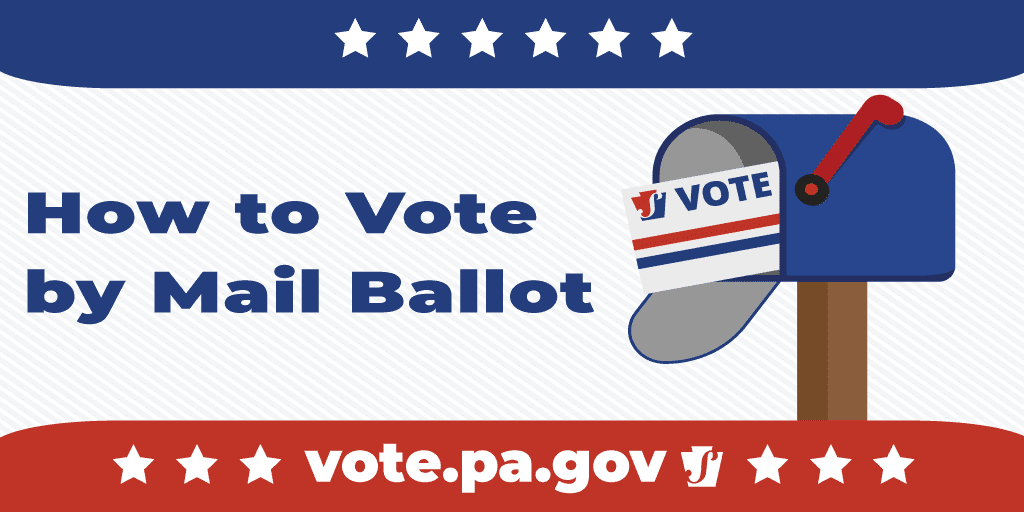
Vote by Mail
Voting by mail-in or absentee ballot is safe, secure, and easy!

Civic Holidays
Civic Holidays are nonpartisan days of action that strengthen and celebrate our country’s democracy! Each holiday accounts for a different phase of democratic participation: registering to vote, making a plan, casting a ballot, and thanking the community members who make elections possible. Together, the Civic Holidays celebrate the entire voting experience.
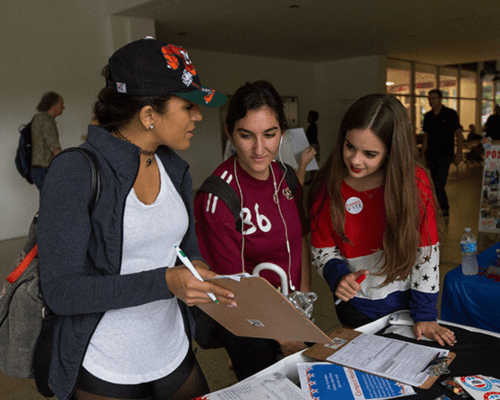
24 Ideas to Engage Voters in 2024 24 Creative Ideas
Nonprofit Vote Resource

Voting Rights of Convicted Felons, Convicted Misdemeanants and Pretrial Detainees
Sample Time-off to Vote Policies
If you do not currently have a time off to vote policy or want to update yours, here is a good place to start. The three policies outline different ways you may ask staff to notify the organization they are taking time off to vote and when they should take that time.
Nonprofit Staff Vote Toolkit
Nonprofit Staff Vote is a nonpartisan, joint campaign encouraging nonprofit employers to offer employees time off to vote on or before Election Day

Best Practices for Registering Low-Income Renters

Unlocking the Power of Immigrant Communities

Rural and Small Town Engagement
Voter ID Guide
For transgender and nonbinary people whose ID doesn’t match their name and gender, voter ID laws can make the experience of casting a ballot invalidating and intimidating.

Engaging Voters with Disabilities
If people with disabilities voted at the same rate as people without disabilities who have the same demographic characteristics, there would be about 1.75 million more voters
Tools to help make your voter engagement activities a success